














In order to be able to reach a better understanding of the changes that can be observed at the level of the cerebral vascular structures, both arterial and venous, on the microscopy slides, we shall begin with a short overview of the cerebrovascular development. The humoral theory of Hippocrates had made possible the beginning of the study of anatomy, and according to it the disease was caused by the disturbances in the balance of the four 4 elemental body humours – the black bile, the yellow bile, the blood and the phlegm. As an example, epilepsy was believed to be caused by the phlegm which descended from the brain and prevented the pneuma (“the vital air”) from entering the blood vessels (Gross, 1987). In the fourth century B. C. it had been registered a gradual change in the Grecian concepts of death, a new trend which had been heralded by Plato (427 - 347 B. C.) (Danaila, 2016). Crucial to this process had been the dissertations of Socrates which had been described by Plato in the Phaedo dialogue. For Socrates (469 - 399 B. C.), the body merely housed the soul; therefore, the fate of the corpse was of less concern (Kevorkian, 1959). This school of thought had further evolved through Diogenes (412 - 323 B. C.) and Aristotle (384 – 322 B. C.).
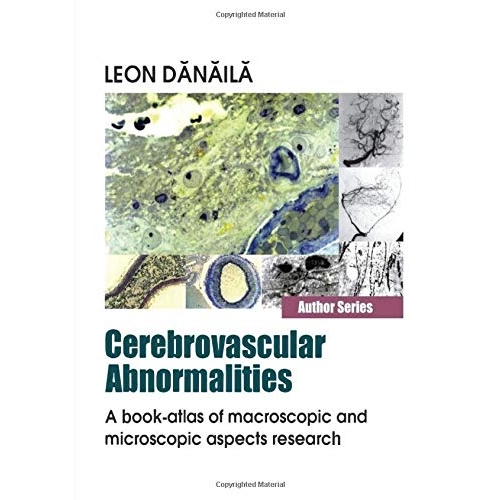
Cerebrovascular abnormalities. A book-atlas of macroscopic and microscopic aspects - Leon Danaila
Cod produs:
| Anul publicarii | 2019 |
| Numar pagini | 800 |
| Limba | Engleza |
| Gen | Medicina |
Iti recomandam si
Descriere
Specificatii
| Brand | Pro Universitaria |
|---|---|
| Anul publicarii | 2019 |
| Numar pagini | 800 |
| Limba | Engleza |
| Gen | Medicina |
Recenzii
Acest produs nu are inca recenzii. Fii primul care adauga o recenzie.
Doar utilizatorii inregistrati pot scrie recenzii. Va rugam sa va autentificati sau sa creati un cont
Intrebari si raspunsuri
Lasa o intrebare si in cel mai scurt timp vei primi un raspuns
